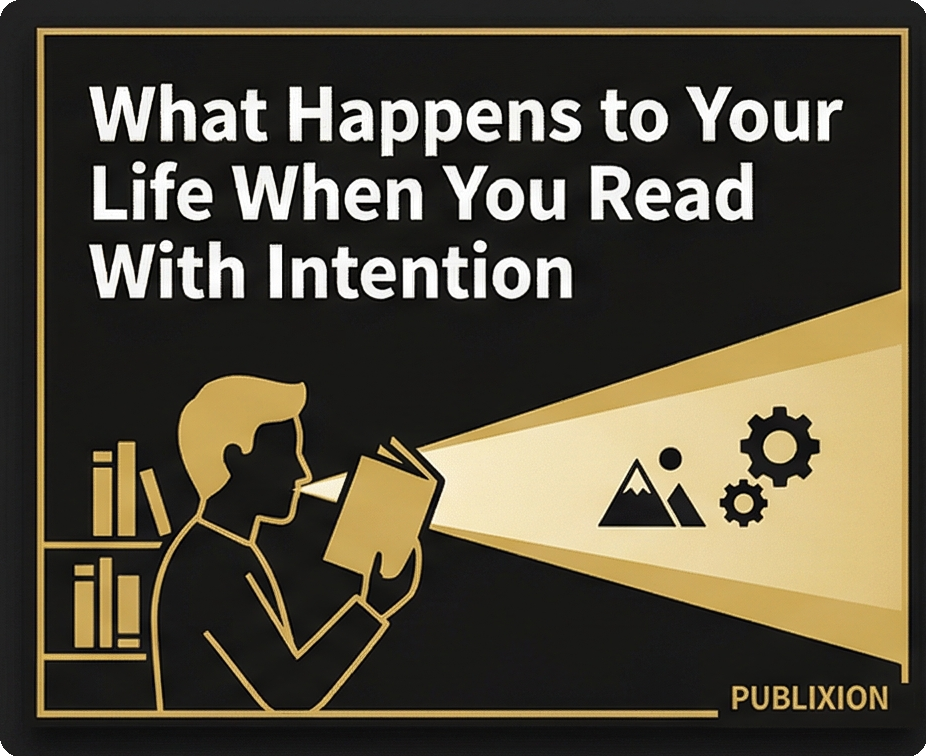
The Power of Intentional Reading: A Master Guide to Transforming Your Life
In today's fast-paced world, where information is readily available at our fingertips, the concept of reading has become increasingly distorted. We no longer read for the sake of reading; instead, we scan headlines, summaries, and social media posts, often missing the deeper meaning and significance behind the words. However, when we approach reading with intention, something profound shifts within us. We begin to absorb not just the information, but the wisdom, insights, and perspectives that can transform our lives.
As we navigate the complexities of modern life, we're constantly bombarded with stimuli, from social media notifications to breaking news updates. It's easy to get caught up in the noise and lose sight of what's truly important. But reading with intention offers a powerful antidote to this chaos. By focusing on the material at hand, we can quiet the mental chatter, calm our minds, and tap into a deeper sense of awareness and understanding.
This shift in approach can have a profound impact on our lives, influencing our thoughts, behaviors, and relationships. When we read with intention, we're more likely to engage with the material on a deeper level, ask questions, and reflect on our own experiences and emotions. This intentional approach to reading can lead to a more profound understanding of ourselves and the world around us, fostering empathy, compassion, and personal growth.
The Power of Intentional Reading
Reading with intention is not just about devouring books or articles; it's about cultivating a mindset that seeks to understand, learn, and grow. When we read with purpose, we're more likely to engage with the material on a deeper level, asking questions, and reflecting on our own experiences and emotions. This intentional approach to reading can have a profound impact on our lives, influencing our thoughts, behaviors, and relationships.
When we read with intention, we begin to see the world in a new light. We start to notice patterns and connections that we may have previously overlooked, and we begin to develop a deeper understanding of the world and our place in it. This shift in perspective can lead to a more profound sense of empathy and compassion, as we begin to see the world from multiple viewpoints.
Moreover, intentional reading can have a profound impact on our relationships. When we read with intention, we're more likely to engage in meaningful conversations, ask thoughtful questions, and reflect on our own experiences and emotions. This can lead to deeper connections with others, as we begin to understand and appreciate their perspectives and experiences.
What Happens to Your Life When You Read With Intention
So, what happens to your life when you read with intention? The benefits are numerous and profound. Here are just a few examples:
- You develop a growth mindset, embracing new ideas and perspectives that challenge your existing beliefs and assumptions. When we read with intention, we're more likely to engage with new ideas and perspectives that challenge our existing beliefs and assumptions. This can lead to a more open-minded and adaptable approach to life, as we begin to see the world in a new light.
- You gain a deeper understanding of yourself and others, fostering empathy and compassion in your relationships. When we read with intention, we're more likely to engage in meaningful conversations, ask thoughtful questions, and reflect on our own experiences and emotions. This can lead to deeper connections with others, as we begin to understand and appreciate their perspectives and experiences.
- You cultivate a sense of curiosity and wonder, inspiring you to explore new interests and hobbies. When we read with intention, we're more likely to be inspired by new ideas and perspectives, leading to a sense of curiosity and wonder that can inspire us to explore new interests and hobbies.
- You develop critical thinking skills, analyzing information and making informed decisions. When we read with intention, we're more likely to engage with complex information and ideas, leading to the development of critical thinking skills that can help us make informed decisions.
- You discover new sources of inspiration and motivation, driving you to pursue your passions and goals. When we read with intention, we're more likely to be inspired by new ideas and perspectives, leading to a sense of motivation and drive that can help us pursue our passions and goals.
The Benefits of Intentional Reading
Research has shown that reading can have numerous benefits, including:
- Improved cognitive function and memory. Reading has been shown to improve cognitive function and memory, as we engage with new ideas and perspectives that challenge our existing knowledge and understanding.
- Enhanced creativity and problem-solving skills. Reading can inspire new ideas and perspectives, leading to enhanced creativity and problem-solving skills that can help us approach complex challenges in new and innovative ways.
- Reduced stress and anxiety. Reading can be a powerful tool for reducing stress and anxiety, as we engage with calming and relaxing content that can help us unwind and recharge.
- Increased empathy and understanding. Reading can help us develop a deeper understanding of others, fostering empathy and compassion in our relationships.
- Improved relationships and communication skills. Reading can help us develop better communication skills, as we engage with new ideas and perspectives that can help us approach complex challenges in new and innovative ways.
Hero Book: Personal Finance Mastery
If you're looking for a comprehensive guide to personal finance, look no further than "Personal Finance Mastery: Apps and Strategies for Financial Freedom: From Money Mindset to Net Worth" by Publixion. This in-depth guide covers everything from budgeting and saving to investing and retirement planning. With the strategies and tactics outlined in this book, you'll be well on your way to achieving financial freedom and building a secure financial future.
Whether you're just starting out or looking to boost your existing financial skills, "Personal Finance Mastery" is the perfect resource for anyone looking to take control of their finances and achieve their goals. With its comprehensive approach and actionable advice, this book is a must-read for anyone serious about achieving financial freedom.
How to Read with Intention
So, how can you cultivate an intentional reading practice? Here are some tips:
- Set clear goals for what you want to achieve through your reading. Before you start reading, take a moment to reflect on what you want to achieve through your reading. What are your goals and objectives? What do you hope to learn or discover?
- Choose books and articles that align with your goals and interests. By selecting material that resonates with you, you'll be more likely to stay engaged and motivated throughout your reading journey.
- Take notes and reflect on your reading. Take the time to jot down key takeaways, insights, and questions that arise during your reading. Reflect on your thoughts and feelings, and consider how you can apply what you've learned to your life.
- Join a book club or reading group. Connecting with others who share your interests and passions can help keep you motivated and accountable, as well as provide a platform to discuss and learn from others.
- Make reading a priority. Schedule dedicated time for reading, and make it a non-negotiable part of your daily or weekly routine. By prioritizing reading, you'll be more likely to make progress and achieve your goals.
Putting Intentional Reading into Practice
So, how can you apply the principles of intentional reading to your life? Here are a few examples:
- Use the Pomodoro Technique to boost your reading productivity. This technique involves working in focused 25-minute increments, followed by a 5-minute break. By using this technique, you can stay focused and avoid burnout.
- Create a reading schedule and stick to it. Set aside dedicated time for reading, and make it a non-negotiable part of your daily or weekly routine. By prioritizing reading, you'll be more likely to make progress and achieve your goals.
- Join a book club or reading group to stay motivated and accountable. Connecting with others who share your interests and passions can help keep you motivated and accountable, as well as provide a platform to discuss and learn from others.
- Reflect on your reading and apply what you've learned. Take the time to reflect on your thoughts and feelings, and consider how you can apply what you've learned to your life. By doing so, you'll be more likely to integrate the insights and knowledge gained through your reading into your daily life.
Conclusion
In conclusion, reading with intention is a powerful tool for transforming your life. By cultivating a mindset that seeks to understand, learn, and grow, you can develop a deeper understanding of yourself and the world around you. This intentional approach to reading can lead to a more profound sense of empathy and compassion, as well as improved relationships and communication skills.
Whether you're looking to boost your personal finance skills, cultivate a growth mindset, or simply expand your knowledge and understanding, "Personal Finance Mastery: Apps and Strategies for Financial Freedom: From Money Mindset to Net Worth" by Publixion is the perfect resource for anyone looking to take control of their finances and achieve their goals.
For more information on how to cultivate an intentional reading practice and achieve your goals, check out the following resources:
- Personal Finance Mastery: Apps and Strategies for Financial Freedom: From Money Mindset to Net Worth
- AI Personal Trainer: Fitness Coaching with Artificial Intelligence
- Mindful Digital Life: Balancing Technology and Well-being: Reclaim Your Focus and Rewire Your Habits
- Everyday Sustainability: Eco-Friendly Habits for Modern Life
- Investing with AI: Tools and Strategies for the 21st Century
- AI Music Composer: Creating Music with Machine Learning
- Prompt Empire: Mastering AI in Every Niche — 1000+ High-Impact Prompts to Master ChatGPT, Claude, Gemini & More
- 90 Day Millionaire: A Proven Blueprint to Financial Freedom in Just 90 Days. Master Investing, Passive Income, and Business Growth
By incorporating intentional reading into your daily routine, you'll be well on your way to achieving your goals and transforming your life.